

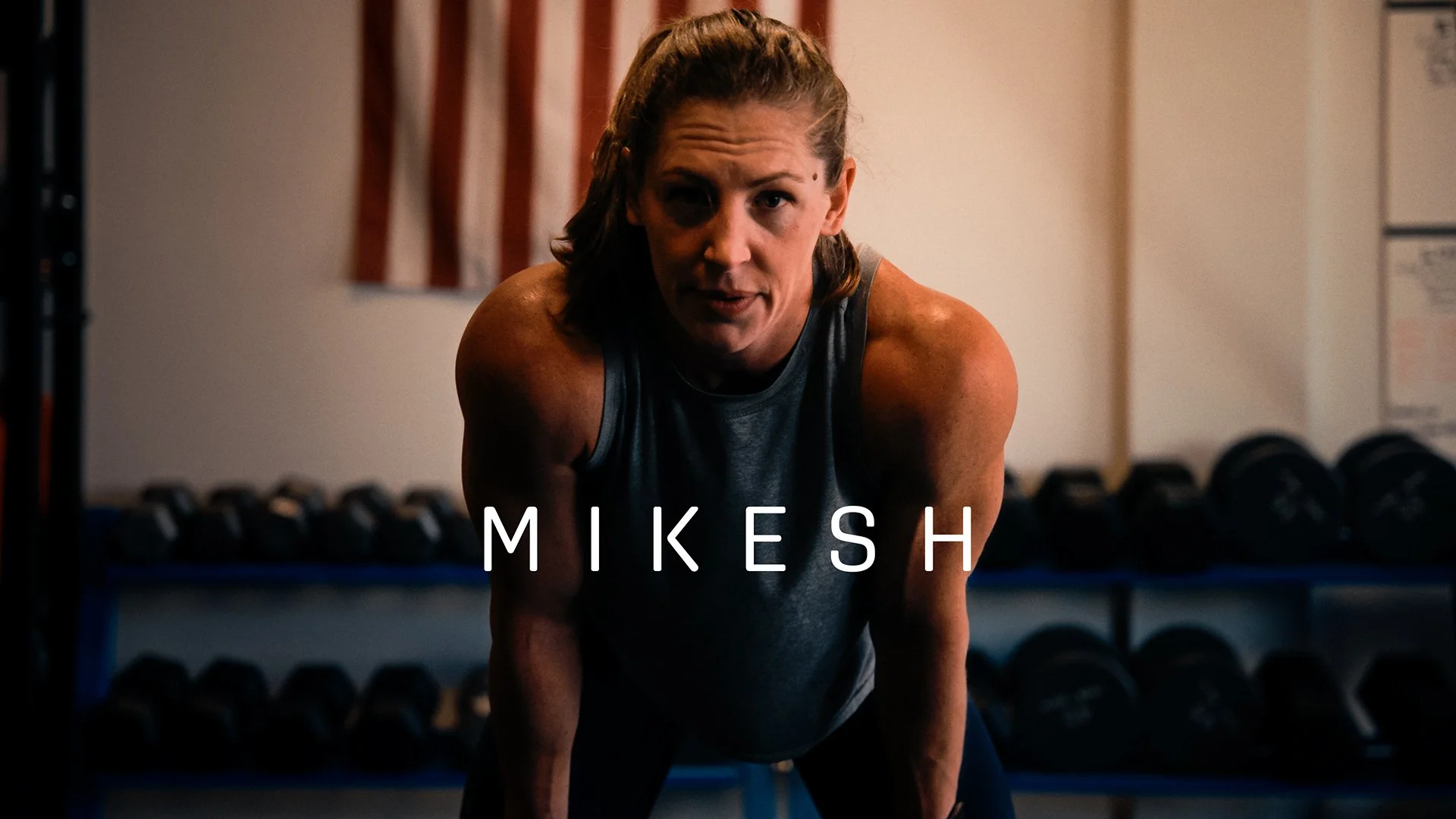
A look behind the making of a short documentary following Masters CrossFit athlete Jen Mikesh through the season nobody sees — the rehab, the rebuilding, and the work that happens long before she ever steps onto a competition floor.
The Comeback Is the Quiet Part
In 2022, Jen PR'd her snatch in a competition qualifier. A few days later, she couldn't lift her arm over her head. A cyst was pressing on a nerve in her shoulder, and the surgery to fix it came with a timeline no athlete wants to hear: a year to get back.
She was back in nine months.
Since then she has qualified for the CrossFit Games three straight years, earned her 2026 ticket at Del Mar, and set her sights on the podium. But MIKESH isn't a film about the ticket. It's about everything in between — the part of the comeback that happens in an empty gym, with no crowd, no cameras, and no guarantee it will work.
Why This Story Mattered
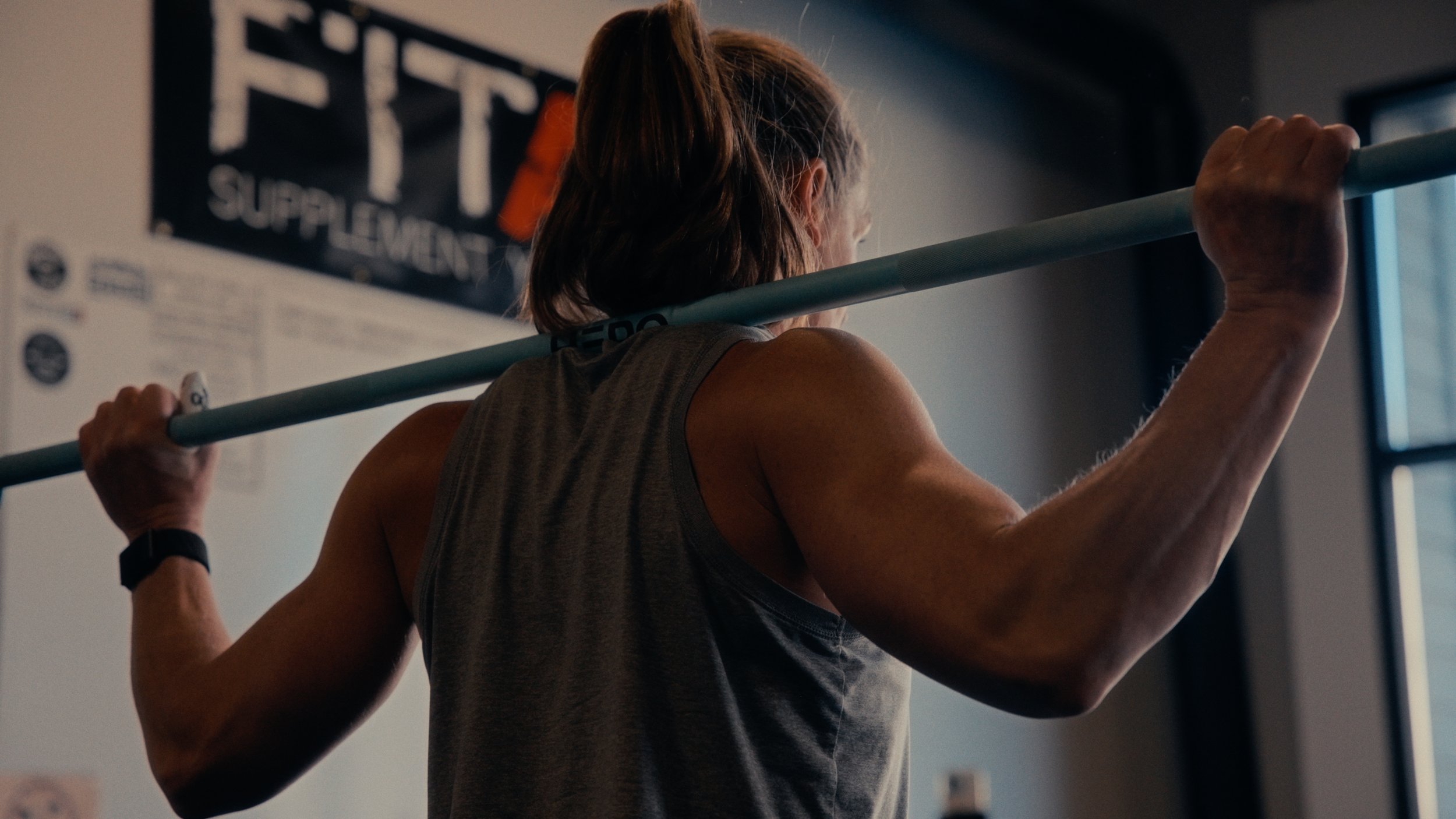
Most people only see athletes like Jen on the competition floor — a few minutes of work, a score, a placing. What they miss is everything that makes those minutes possible. The sleep that suffers when training volume climbs. The rehab exercises done every single day. The sessions where the body says stop and the athlete has to decide which pain means push and which pain means pull back.
Jen does that work at the gym she co-owns, coaching classes in the same room where she trains. There's no separate world where the comeback happens. It happens between everything else, on ordinary mornings, whether anyone is watching or not. That quiet commitment deserved to be documented — not because it was dramatic, but because it was honest.
“You can have a step back,
but you can keep going.”
Building the Film
The Location
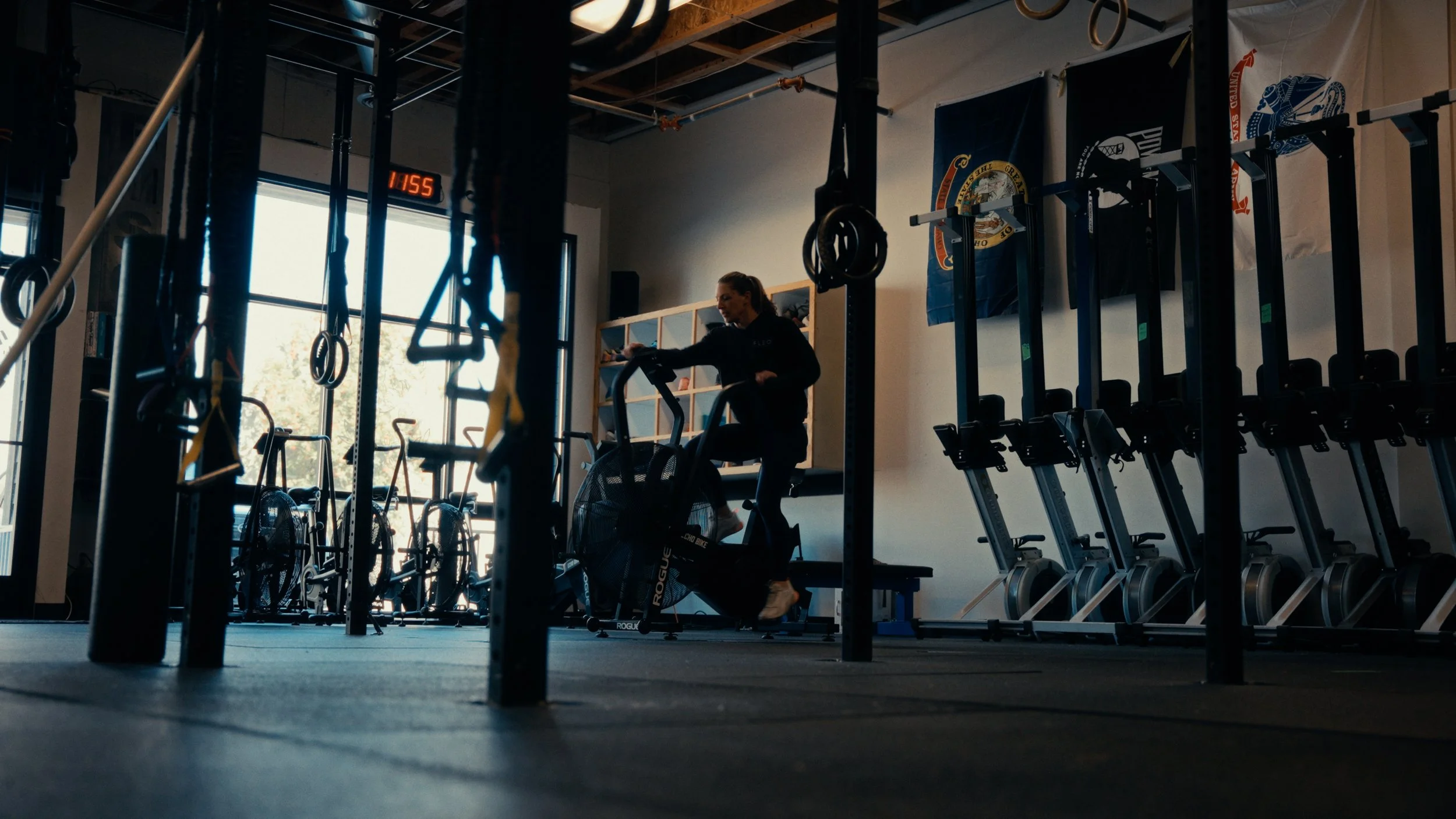
We kept the production simple. One gym — Boulder Mountain CrossFit in Hailey, Idaho. One morning of training: snatch work, rope climbs, sled pushes, dumbbell intervals. Jen is a coach and co-owner there, so the room is both her workplace and her training ground. Limiting the production to a solo shooter and two cameras kept the morning feeling like a real training day instead of a film set — because for her, it was one.
Camera Movement
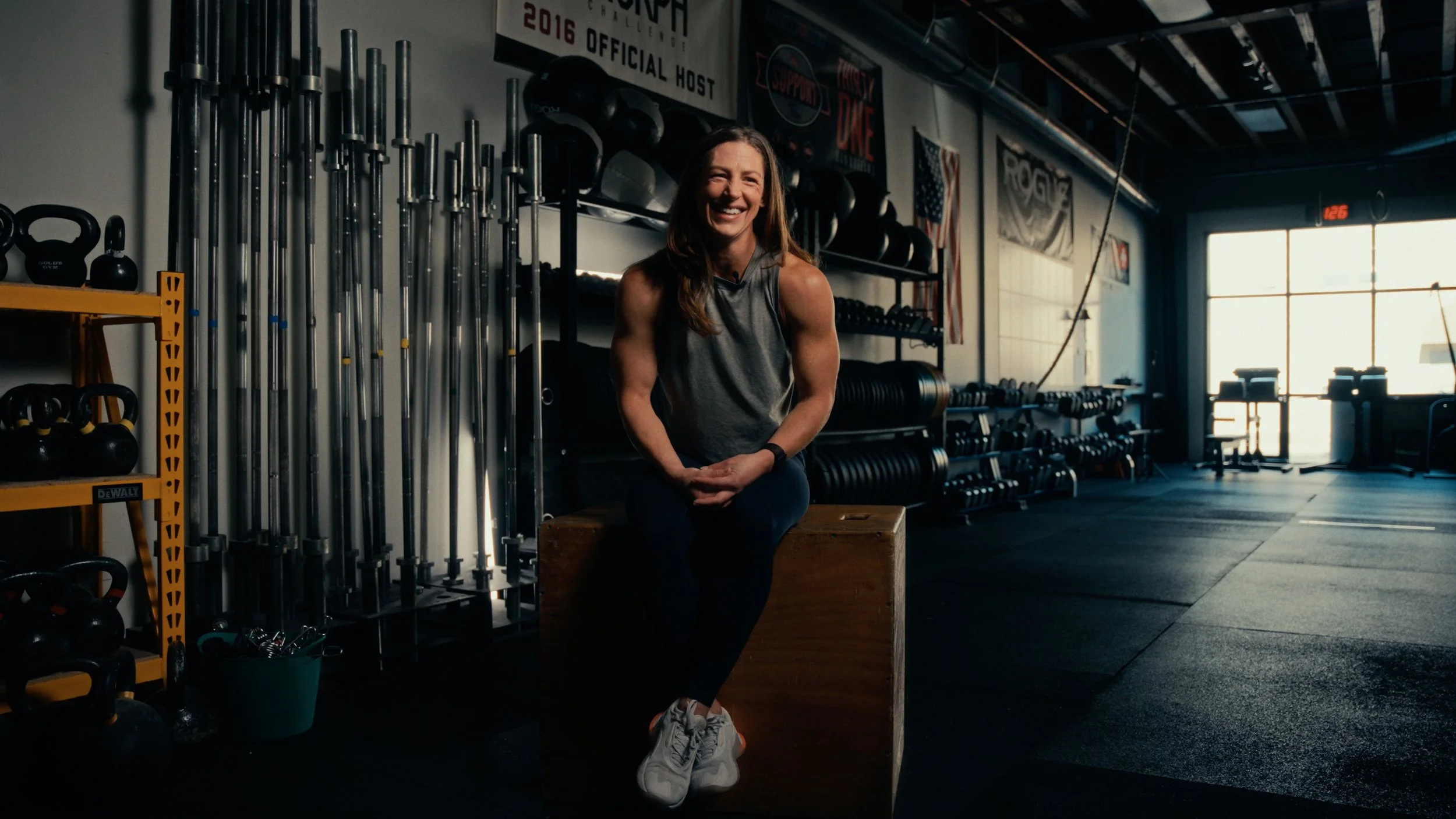
The camera stays patient. Locked-off wides let Jen move through the frame the way she moves through a workout — no tricks, no rushing her. The interview was filmed in the gym itself, in the room where the work happens, because that's where this story lives. The heaviest moments in the film aren't the lifts. They're the pauses between them.
Color Grade
The grade was built in DaVinci Resolve to match the two worlds Jen trains in: the deep shadow of the gym in the morning and the hard Idaho daylight outside. Skin stays natural, blacks stay rich, and nothing is polished past the truth of the room. The goal was authenticity over style — a film that looks the way those mornings feel.
MIKESH
Equipment Used
Sony FX3 · Sony a7 IV · DJI Mic 2 · Sennheiser MKE 600 · Nanlite FS-500B · Edited and graded in DaVinci Resolve
What This Film Taught Me
Every project leaves you with something beyond the final edit. This one reminded me that a comeback isn't a moment — it's a decision repeated daily, for months, in rooms nobody's watching. Jen told me more than once that she isn't done yet. Spend one morning watching her train, and you believe her.
The strongest stories don't always end on a podium. Sometimes they end with an athlete picking up the bar one more time, because there's more in her — and she knows it.